
2015 Kia Sportage - Manual
Stockport
toLondon
192 miles
£330
*No sign up required
Save up to 35% vs other platforms, the UK's most affordable way to move your vehicle.
See our reviews on TrustpilotOf verified Providers across the UK
Average Transport Providers Rating
MotorMoves connects car owners with verified transport providers across the UK, enabling live competitive bidding that ensures fair pricing without markups. Create 1 quick simple listing and receive multiple competitive transport provider quotes. Whether transporting a single family car or arranging regular trade movements, our marketplace simplifies finding reliable transport and a professional vehicle delivery service tailored to your specific requirements. Compare car transport quotes quickly and easily with MotorMoves, a purpose built platform dedicated specifically to car transport.
Getting quotes is easy - 1) Post your listing, 2) Receive competitive quotes & 3) Review and accept your chosen provider. Our streamlined process eliminates the hassle of chasing quotes through endless phone calls and emails. Everything happens within our secure platform where you can compare providers, read reviews, ask questions and make informed decisions at your own pace. No sales pressure, no cold calls, and no inbox flooding - just transparent quotes from verified professionals competing for your business.

We have intergrated with eBay to make purchasing your car online even easier. Simply input the eBay item number (Long ID number that can be found in the "About this item" section in eBay) when creating your car transport listing and we will populate all the required information automatically including the vehicle image into your listing on MotorMoves. It just got even easier to transport your car.
Car transport represents the largest segment of the UK vehicle delivery market, covering many types of vehicles, from economical hatchbacks to prestigious luxury saloons and classic cars. Whether you're purchasing a car from a distant dealer, relocating across the country, or moving a cherished classic to a new home, professional vehicle transport services help ensure your car is transported safely without adding unnecessary mileage.
The UK car transport industry serves diverse customer needs. Private buyers increasingly purchase vehicles online from dealerships and private sellers hundreds of miles away, requiring reliable car delivery services. Motor traders move stock between branches, have customer car deliveries and auctions collections regularly, while collectors seek enclosed transport for valuable classic cars and modern supercars. Non runner car transport is also very common and vehicle recovery takes up a large percentage of car transport in the UK on a daily basis. Each scenario demands different approaches, equipment, and expertise.
Open car transport using multi-vehicle transporters offers the most economical solution for standard vehicles. These transporters can carry multiple cars simultaneously, reducing costs through shared capacity. For vehicles requiring additional protection—whether high-value prestige cars, concours classics, or show vehicles—enclosed transport provides complete weather protection and enhanced security during transit.
Professional car transporters understand the importance of proper loading techniques, secure strapping, and careful handling throughout the journey. Fully insured operators provide peace of mind, covering vehicles against any transit damage. Many providers offer real-time tracking, allowing customers to monitor their vehicle's progress from collection to delivery.
If you need your car transported to a garage — whether for an MOT, a scheduled service, bodywork repairs, or specialist mechanical work — professional car transport is a practical and often surprisingly affordable solution. Do you need your car transported to a garage but want to avoid adding unnecessary miles to your vehicle? Transport car to garage services are ideal for high-value vehicles heading for specialist tuning, restoration workshops, or prestige servicing centres, ensuring your car arrives in exactly the same condition it left — without engine wear, additional mileage on the clock, or the hassle of arranging a return drive. MotorMoves providers can collect from your home or workplace and deliver directly to your chosen garage, handling everything from a standard service drop-off to a long-distance specialist appointment.

Understanding the different transport methods available helps you choose the right service for your vehicle. Here are the main types of car transport services offered across the UK.

Click any type below to view detailed information:
Enclosed car transport is the gold standard for vehicle logistics, offering the highest level of security and environmental protection. This method utilizes fully covered trailers to shield vehicles from road debris, adverse weather, and prying eyes.
Best for: High-value, rare, or sentimental vehicles. Frequently used for dealership transfers of new luxury cars and private sales.
Learn MoreOpen car transport is the most common and cost-effective method of moving vehicles across the UK. Single-car flatbeds and multi-car carriers offer flexibility for different needs.
Best for: Everyday cars, auction collections, and fleet logistics. The go-to solution for standard vehicle relocation with significant savings.
Learn MoreCar transport via trailer offers high flexibility and specialized care for individual moves. Ideal for bespoke deliveries where a large HGV would be impractical.
Best for: Classic car restoration trips, track cars, and vehicles bought via online marketplaces. Can reach remote locations inaccessible to larger transporters.
Learn MoreDriven car transport uses a professional driver to take your car from door to door, navigating tight streets inaccessible to large transporters where safe, legal access allows.
Best for: Dealership stock transfers, fleet reallocations, and private buyers needing fast collection with comprehensive insurance.
Learn MoreClassic car transport requires deep understanding of automotive history and mechanical delicacy. Expert handling prioritizes preservation of fragile paint finishes and aging components.
Best for: Concours d'Elegance events, specialized restoration shops, and classic auctions with detailed condition reports.
Learn MoreSupercar transport is highly specialized for the world's most expensive machinery. Ferrari, Lamborghini, and McLaren require cutting-edge equipment for their extreme dimensions.
Best for: Factory servicing, seasonal residence moves, and delivering limited-edition models. Protects expensive carbon fiber components.
Learn MoreRace car transport is about logistics and timing. Whether it's a weekend track toy or professional GT3 machine, race cars require specialist handling for their stiff suspensions and aerodynamic bodywork.
Best for: Amateur racers attending track days and professional teams competing in national championships. Punctuality to paddock load-in times is critical.
Learn MoreNon runner recovery specialises in moving vehicles that cannot be driven. From breakdown recoveries to salvage auction collections, specialist equipment handles cars with mechanical failures, accident damage, or flat batteries.
Best for: BCA and Manheim auction collections, Copart salvage purchases, roadside breakdowns, and cars with suspension or accident damage requiring winch loading.
Learn MoreUK car transport costs vary by distance, vehicle size, and urgency. Prices generally start from £50-£150 for short trips, moving to £100-£300 for medium distances, and £200-£600+ for long hauls. Per-mile rates decrease as distance increases. Costs below represent data obtained from quotes on MotorMoves over the previous 6 months - Updated September 2026.
Short Distance
£1.50 - £2.95/mile
Easy routes, small to large cars
Long Distance
£0.85 - £1.30/mile
Average routes, most vehicles
Electric Vehicles
£1.35 - £3.65/mile
Specialist EV handling
Vehicle Size
SUVs, 4x4s, vans cost more due to sizes of vehicles consuming more load space and weight of vehicles eating away at available payloads.
Vehicle Type
EVs need specialist handling due to high voltage, unorthodox operation as well as increased kerb weights.
Route Difficulty
Remote areas increase costs, restricted access, narrow lanes and height restrictions can heavily impact journey times.
Transport Method
Enclosed adds 30-50% due to premium equipment and care of goods while driven services are the most cost effective.
Urgency
Express/last-minute costs more while flexibility typically finds better rates.
Typical popular UK Car Transport route costs based on real completed jobs on MotorMoves from previous 6 months.
| Route | Miles | Est. Cost |
|---|---|---|
| London to Manchester | 200 | £175 - £272 |
| Liverpool to Glasgow | 220 | £190 - £301 |
| Birmingham to Newcastle | 205 | £180 - £282 |
| Exeter to Sheffield | 250 | £214 - £340 |
| Leeds to Swansea | 230 | £194 - £311 |
| Bristol to Edinburgh | 380 | £311 - £466 |
| London to Edinburgh | 400 | £330 - £505 |
| Southampton to Aberdeen | 530 | £408 - £582 |
| Plymouth to Inverness | 620 | £466 - £660 |
| London to Plymouth | 215 | £185 - £291 |
Prices above updated September 2026 and are reflecting historic recorded quotes on MotorMoves dating back to March 2026.
Variations in prices depend on transporter type, car and load type, job urgency and route demand, collection and delivery locations, journey characteristics and peak or off peak times.
In the UK, March and September months introduce new registration plate changes each year. These plate-change months are important peaks for new car registrations, as buyers collect vehicles with the latest registration. Dealer stock deliveries, customer handovers and fleet replacements can create extra demand for car transport providers around both dates.
Before and after the change: In the weeks before March and September, dealerships may need stock moved into place for launch-day handovers. During the registration months, customer deliveries compete for transporter availability. Afterwards, part-exchange cars, auction purchases and used stock transfers can keep providers busy into April and October. The pressure varies by route and provider; it does not begin or end on one fixed date.
Peak-rate budgeting: For planning, expect to consider a 30% - 40% increase in quotes due to demand and available capacity. The examples below show a typical seasonal increase over standard routes rates.
| Example route | Standard rates | Peak rates |
|---|---|---|
| London to Manchester | £175 - £272 | £236 – £367 |
| Liverpool to Glasgow | £190 - £301 | £257 – £406 |
| Birmingham to Newcastle | £180 - £282 | £243 – £381 |
| Exeter to Sheffield | £214 - £340 | £289 – £459 |
| Leeds to Swansea | £194 - £311 | £262 – £420 |
| Bristol to Edinburgh | £311 - £466 | £420 – £629 |
Off-peak opportunities: Moving outside the plate-change rush, booking ahead and offering a flexible collection window may help a transporter combine your job with an existing route or backload. Quieter dates do not guarantee a discount: compare multiple quotes and confirm collection and delivery availability before booking.
Over the years of transporting cars we have come to understand the key essentials for owners when it comes to Car Transport, these are useful elements so you are perfectly prepared for the big day.
Before handing over your vehicle, take these 5 essential photos to document its condition. Each corner shot should capture the bumper, door, and alloy wheel together.
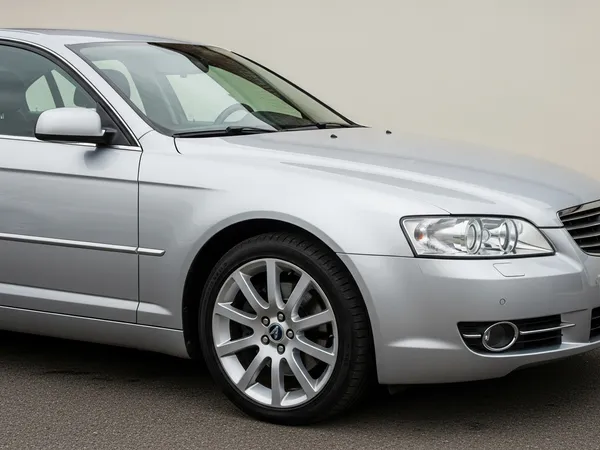
Capture the front bumper, front door, and front alloy wheel
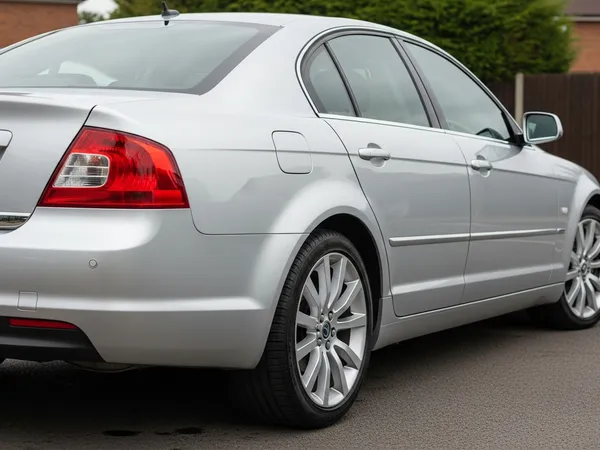
Capture the rear bumper, rear door, and rear alloy wheel
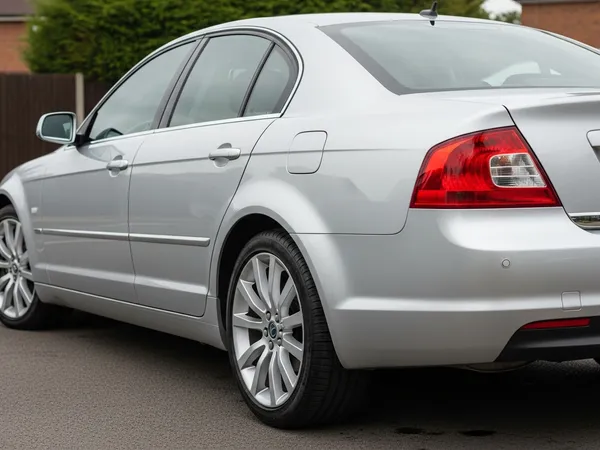
Capture the rear bumper, rear door, and rear alloy wheel
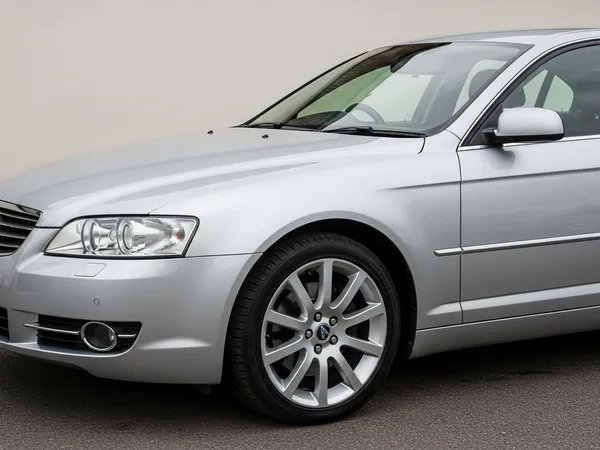
Capture the front bumper, front door, and front alloy wheel
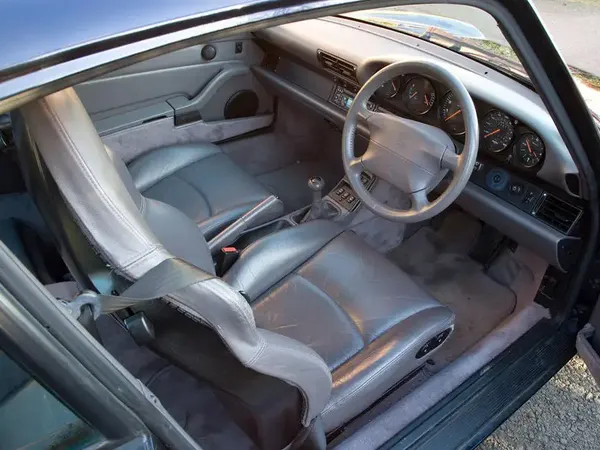
Stand outside the open driver's door and photograph across the interior showing dashboard and controls
Pro tip: Take these photos with timestamps enabled on your camera or note the date and time. This provides clear evidence of your vehicle's condition before transport.
Exactly what happens when the driver arrives to collect your vehicle
Driver calls 1 hour before arrival.
Get the vehicle out and ready for easy access for the transporter.
You and the driver inspect the car for existing scratches/damage. (Use our available inspection sheet if needed)
Take your 5 Golden Photos & Driver takes time-stamped photos.
Be present during loading to ensure everything runs smoothly.
You sign the Proof of Collection.
Live in a tight street, cul-de-sac, or have limited parking access? Large multi-car transporters often can't navigate narrow residential roads, low bridges, or weight-restricted streets. Here's what you need to know:
Arrange to meet the driver at the nearest main road or accessible location. The driver loads your vehicle there, avoiding the need to navigate tight streets. This is often the most practical and cost-effective solution.
Request a smaller single-car transporter that can manoeuvre through narrow streets for true door-to-door service. This typically costs slightly more but offers maximum convenience for difficult access locations.
Important: Always mention any access restrictions when creating your listing. Include details about narrow roads, low bridges, height restrictions, or parking limitations. This helps providers quote accurately and plan the best approach for your location.
For sports car and supercar owners, the biggest concern isn't just "enclosed vs. open" transport—it's the angle of the loading ramp. Standard car transporters can have steep approach angles that risk scraping front splitters, side skirts, and low bumpers on high-value vehicles.
Porsche GT cars, Ferrari, Lamborghini, McLaren, and similar exotics with factory ground clearance under 120mm require careful loading.
Carbon fibre front splitters, diffusers, and side skirts are especially vulnerable. Even small contact can cause expensive damage.
Coilovers, lowering springs, or air suspension in "slammed" mode significantly reduce ground clearance. Note your ride height when lowered.
Extended wheel arches and wide body modifications may affect loading clearances on multi-car transporters.
Pro tip: If your car has adjustable suspension (air ride or adjustable coilovers), raise it to the maximum height before the driver arrives. This gives the maximum clearance for loading and avoids any last-minute surprises. Mention in your listing that the car can be raised for loading.
Most transport providers don't mind if you leave personal items in the vehicle, however some advise against leaving items in the vehicle during transport. Here's what you need to know:
Our recommendation: Whenever possible, remove all personal belongings before transport. This simplifies the process, avoids disputes, and ensures your vehicle can be transported without complications.
From our countless auction collections experiences we are able to share the processes required so you know exactly what to expect.
Collecting a vehicle from Copart requires cleared funds on the buyer's account before booking can occur. Once payment clears, the buyer or transport driver must download and register on the Copart Transportation App to schedule a specific collection date and time slot. Upon arrival at the operation centre, the driver must wear full personal protective equipment (PPE)—including a high-visibility jacket and safety footwear—and mark themselves as "arrived" in the app.
The gate marshal directs the transporter to a designated bay, where yard staff fetch the vehicle or load it using a forklift if it is a non-runner or severely damaged salvage lot. Drivers must present the Gate Pass Code, Buyer Number, and Lot Number. Copart strictly prohibits driving vehicles off the premises; every vehicle must be winched or loaded onto a transporter truck or trailer. Any discrepancies between the vehicle's condition and the auction listing must be reported at the gate before leaving the site under the Member Protection Pledge.
The IAA collection process begins after full payment has cleared, starting a countdown on free storage (typically two to four business days depending on branch capacity). Collections must be pre-arranged by scheduling a pickup appointment through the IAA Buyer Portal or mobile app. When the transporter arrives at the facility, the driver must present the Buyer Account ID, Stock/Lot Number, valid photo identification, and a printed or digital dispatch order. High-visibility clothing and steel-toe boots are mandatory inside the yard.
IAA site operators manage the yard dispatch area and use heavy machinery to load salvage units or non-runners onto the haulage vehicle. The transporter driver must inspect the vehicle, verify that any available keys and documentation (such as titles or salvage certificates) are handed over, and sign the release receipt before departing, as IAA considers all physical transfers final once the truck exits the gate.
To collect from BCA, the vehicle invoice must be paid in full and registered as cleared within the MyBCA system. Collection slots must be booked in advance via the "Click & Collect" feature in the MyBCA dashboard or Buyer App, where the buyer selects an available time slot and nominates themselves or a third-party transport company. Upon reaching the BCA Remarketing Centre, the driver must report to security or the collection office with the unique BCA Booking Reference number, valid photo ID, and standard high-visibility PPE.
BCA yard staff bring the vehicle to the designated handover bay. The collecting driver completes an initial condition appraisal against the BCA inspection/auction report, signs the handheld electronic terminal, and loads the vehicle onto the transport truck. Vehicles collected from BCA cannot be driven off site on trade plates unless pre-approved and verified as roadworthy. BCA often requires the transporter to search the yard themselves for the vehicle so be prepared for a bit of a walk.
Excessive vehicle collection wait times at salvage and auction sites directly drive up UK car transport costs. Heavy yard congestion, strict pre-booked pickup slots, and slow forklift loading at high-volume sites like Copart, BCA, and IAA frequently force drivers to wait beyond standard loading allowances. Because commercial hauliers must adhere to strict tachograph driving hour regulations, these delays restrict available transit time and often trigger demurrage charges—typically ranging from £40 to £60 per hour for driver waiting time. Additionally, if collection delays cause a driver to miss their assigned booking window, the vehicle risks remaining on site past its free storage grace period (typically 2 to 4 days), incurring daily storage penalty fees that significantly increase total vehicle delivery costs.
From previous jobs over the years we have gathered the most important key factors for UK Car Transport here as when it comes to Car Transport, these are the most critical factors dictating how a vehicle is moved.
The 3,500kg Weight Restriction: Many independent operators use lightweight flatbed transporters with a Gross Vehicle Weight (GVW) of 3,500kg (3.5 tonnes). Because the truck itself weighs around 2,000kg, the maximum payload is strictly capped at about 1,500kg.
EV Dead Weight Protocols: The rapid rise of electric vehicles has completely disrupted payload math. Due to heavy battery packs, standard EVs frequently weigh in excess of 2,000kg. Standard 3.5t flatbeds cannot legally carry most electric cars without risking severe DVSA overloading fines. Heavy EVs require dispatching 7.5t or larger commercial transporters.
How Weight Affects Timescales and Charges: Because heavy vehicles and EVs max out the payload limits of multi-car transporters faster than standard hatchbacks, hauliers can fit fewer cars per trip. This reduction in efficiency means that moving heavy vehicles commands a premium charge and may require a longer lead time to secure a specialized truck.
Operating a vehicle transporter commercially requires strict adherence to UK driving laws, and the rules shift dramatically once a truck exceeds the 3.5t threshold.
License Requirements (With and Without Trailers): Following rule changes in late 2021, a standard Category B (car) license allows drivers to tow trailers up to 3,500kg Maximum Authorised Mass (MAM). However, to drive a heavier rigid transporter (between 3.5t and 7.5t), a Category C1 license is required, while anything larger requires a Category C HGV license.
Larger Trucks Driving Hours and Tachographs: Transporters exceeding 3.5t are classed as heavy commercial vehicles and are governed by strict EU and UK tachograph regulations. Drivers are legally restricted to a maximum of 9 hours of daily driving and must take mandatory 45-minute rest breaks. These driving hours directly impact long-haul delivery timescales.
Specialist Training Required: Anyone driving a transporter over 3.5t commercially must hold a valid Driver Certificate of Professional Competence (CPC). Furthermore, drivers must understand strict load restraint laws (EN 12195 standards); relying on a "few straps" is insufficient, and DVSA spot checks regularly penalize improper wheel strapping.
Transporting vehicles efficiently across the UK requires meticulous route planning to avoid legal penalties and physical obstructions.
Car Transporter Speed Limits UK: Towing a trailer or driving a commercial vehicle over 3.5t means you are bound by lower national speed limits. Transporters are restricted to 50 mph on single carriageways and 60 mph on dual carriageways and motorways. Take these reduced speeds into consideration when comparing standard driving times as loaded journeys will take longer.
Clearance and Route Restrictions: Multi-car transporters must carefully map routes to avoid low bridges, weight-restricted rural bridges, and narrow width restrictions that typical GPS systems might ignore. Understand that route adjustments and restriction detours can impact delivery timescales.
Clean Air Zones and Additional Charges: The expansion of London's ULEZ and nationwide Clean Air Zones (CAZ) in cities like Bristol and Birmingham heavily impacts transport costs. Older transporters that fail to meet Euro 6 diesel emission standards face steep daily entry charges, which are almost always factored into the customer's final transport quote.
Getting a vehicle on and off a transporter is the highest-risk portion of the journey.
Loading, Unloading, and Clearance Concerns: High-performance sports cars, supercars, and heavily modified vehicles with low ground clearance require specialized handling. Transporters must use extended ramps, split-deck trailers, or specialized enclosed transporters to prevent the vehicle's chassis or splitters from scraping the deck angles during winching.
The Ramp Loading Indemnity Trap: This is a notoriously murky area of transport insurance. If a customer or a third-party dealer insists on driving the vehicle up the hydraulic ramps themselves and misaligns the wheels—resulting in severe damage—liability is heavily disputed. To avoid this "trap," professional transport companies mandate that their fully insured, trained drivers handle all loading and winching procedures. Most insurance policies do not cover loading and unloading of vehicles but rather when in actual transit therefore it is best to let the professional transporter do their work.
A common misconception in the UK motor trade is that slapping a set of red-and-white trade plates on a car gives you a free pass to drive anything on public roads.
DVLA Rules and Roadworthiness: Trade plates exist to allow dealers to move untaxed or unregistered vehicles for legitimate business purposes (like test drives or trips to the MOT station). However, the DVLA explicitly mandates that any vehicle driven on trade plates must be entirely roadworthy.
Moving Unroadworthy Vehicles: Attempting trade plate transport with unroadworthy vehicles (such as accident-damaged cars, non-runners, or vehicles with bald tires) is strictly illegal. These vehicles pose a danger to the public and must legally be moved using a flatbed trailer or a dedicated car transporter.
In the UK, car transport insurance involves a combination of legal mandates and industry-standard commercial cover to protect all parties involved. Legally, any carrier operating on public roads must hold Motor Trade Road Risk insurance, which includes "Hire and Reward" cover specifically for transporting third-party goods for payment. While Goods in Transit (GIT) insurance is not a statutory legal requirement like road insurance, it is a practical necessity for professional haulers to cover damage, theft, or loss of the vehicle being moved; many carriers operate under RHA (Road Haulage Association) Conditions of Carriage, which may limit liability to approximately £1,300 per tonne, making it vital for owners of high-value vehicles to verify if "all risks" or full-value cover is in place. Furthermore, if the transport company has employees, they are legally required to carry Employers' Liability insurance (minimum £5 million), while Public Liability insurance is standard to cover third-party injury or property damage during loading and unloading. For international transport to Europe, CMR insurance is required under the Geneva Convention, and Marine Transit insurance is used if the vehicle is shipped via sea to ensure full-value protection against maritime risks.
| Type | Status | What it Covers |
|---|---|---|
| Motor Trade | Mandatory | Basic road legality and third-party protection |
| Employers' Liability | Mandatory | Required by law if company has staff |
| Goods in Transit | Optional* | Vehicle being moved (often required) |
| Public Liability | Optional* | Damage to property or people during move |
| CMR Insurance | Mandatory | Required for European border transport |
*While not legally mandatory, these insurances are industry standard and often required by contracts. Always verify your transport provider's insurance coverage before booking.


Learn about The history of UK Car Transport here

All car transport providers are verified with valid insurance, operator licenses, and positive customer reviews.
Multiple providers bid on your job, ensuring you get the best car transport rates available.
Post your car transport job in minutes and receive quotes within hours. No phone calls needed.

Transport for all standard cars, hatchbacks, and saloons
Specialist transport for high-value vehicles with enclosed options
Careful handling for cherished classic vehicles
EV transport with understanding of vehicle specifics
Collection from UK car auctions and delivery to your door
Trade-to-trade and dealer collection services
Don't rely on the driver's memory. Download our free inspection sheet to mark down every scratch before your car leaves.
For more tips, visit our Safety Tips page.
Car transport costs in the UK typically range from £1.00 to £2.00 per mile, depending on vehicle type, distance, and transport method. Short journeys under 100 miles average £100-£200, while cross-country transport (300+ miles) ranges from £300-£600. Get free quotes to compare exact prices.
Yes, all verified transport providers on MotorMoves carry goods in transit insurance. Coverage typically ranges from £50,000 to £250,000. Always check the provider's insurance details before booking and request a copy of their certificate if needed.
Standard UK car transport typically takes 2-7 days depending on distance and provider availability. If you need car delivery within 24 hours, ask providers about express options and confirm availability before booking; timing is not guaranteed and premium rates may apply. Flexible date options can reduce costs by allowing providers to consolidate loads.
Absolutely. Many of our providers have recovery trucks with winches and specialist equipment to safely load and transport non-running, accident-damaged, or salvage vehicles. Just indicate the vehicle condition when creating your listing.
Open transport uses standard car transporters - it's cost-effective and suitable for most vehicles. Enclosed transport uses covered trailers protecting vehicles from weather and road debris - ideal for classic cars, luxury vehicles, or vehicles with low ground clearance.
Remove all personal belongings and valuables from the vehicle. Ensure the fuel tank is around 1/4 full - enough for loading/unloading but not adding unnecessary weight. Disable any alarms, note any existing damage, and ensure the vehicle is accessible for collection. Remove or secure loose accessories like aerials, spoilers, or roof racks.
You'll typically need proof of ownership or authorization to transport the vehicle (V5C logbook or purchase invoice), valid photo ID, and the vehicle keys. For trade movements, a trade invoice or dealer authorization may be required. International transport requires additional customs documentation. It is best to discuss these finer details with your chosen transport provider to confirm what they require from you.
Most transport providers don't mind if you leave personal items in the vehicle however some advise against leaving items in the vehicle during transport. Items left inside are typically not covered by the transporter's insurance and add additional weight to the vehicle. If you must leave items, they should be secured, non-valuable, and declared to the provider beforehand.
Most transport providers do not allow passengers to travel inside their vehicles during transport for insurance and safety reasons. Typically you'll need to arrange separate travel to meet your vehicle at the destination but it is always worth asking the provider if required.
Yes, it's highly recommended to document your vehicle's condition before transport. Take dated photos and videos of all angles, noting any existing scratches, dents, or damage. This protects both you and the transport provider and ensures any transit damage can be clearly identified.
Either you or an authorized representative must be present at both collection and delivery to hand over/receive keys, sign condition reports, and confirm the vehicle's state. If you can't attend, you can nominate someone else with written authorization to act on your behalf.