
“Spot on. First time shipping a car and this marketplace made it effortless. Got plenty of competitive quotes quickly. The driver I chose was lovely and kept me updated the whole way down from Edinburgh.”
Chloe
6 Feb, 2026
*No sign up required
Save up to 35% vs other platforms, the UK's most affordable way to move your vehicle.
See our reviews on TrustpilotOf verified Providers across the UK
Average Transport Providers Rating
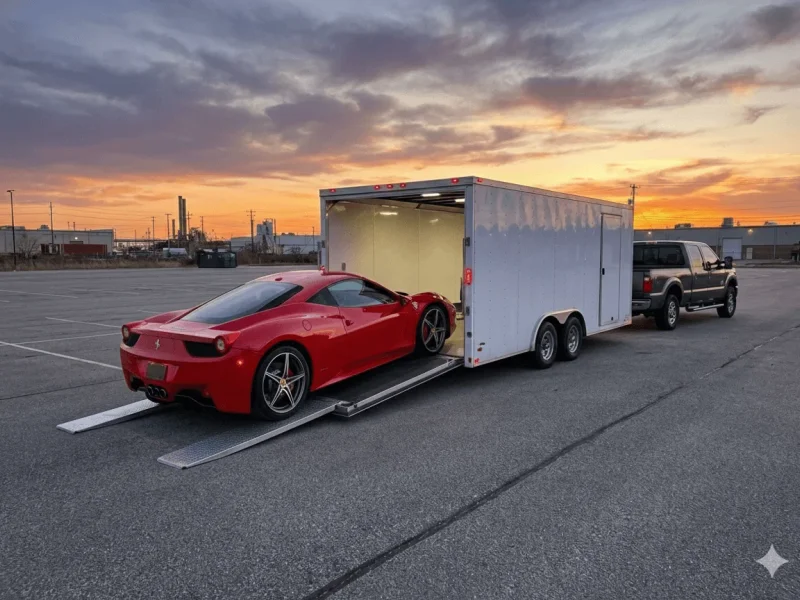
MotorMoves connects you with specialist enclosed transport providers across the UK, allowing you to compare quotes from multiple verified operators in one place. Simply describe your vehicle and requirements, and receive competitive quotes from professionals who specialise in premium covered transport. Our marketplace makes it easy to find affordable enclosed car transport without endless phone calls or searches.
So you've just purchased the unicorn, the long term goal is now a reality of owning that expensive sports car, iconic vintage classic car or high end super car that is now only miles away from being in your possession. Taking time out of your busy schedule and stressing about putting it through a long journey in the elements can be daunting... Well you are not alone! Many prized vehicles get moved daily via Enclosed Car Transport and understanding how this works is the first step to praising the peace of mind that comes with knowing your vehicle will be safeguarded throughout its journey. Enclosed Car Transport is very much a tailored service therefore discussing your requirements and details with your transport provider are invaluable and will make the experience much more memorable.
Enclosed car transport represents the pinnacle of vehicle delivery services, offering unmatched protection for your prized automobile during transit. Unlike standard open transport methods, enclosed carriers utilise fully covered trailers that completely shield your vehicle from external elements, road debris, weather conditions, and prying eyes throughout the entire journey.
This specialist car transport method is particularly favoured by owners of high-value vehicles, classic car enthusiasts, and collectors who require absolute peace of mind when moving irreplaceable automobiles. The enclosed environment eliminates exposure to rain, hail, dust, stone chips, and the general road grime that can affect vehicles on open transporters during long-distance vehicle delivery across the UK and Europe.
Professional enclosed transport operators invest significantly in their equipment, typically featuring hard-sided or soft-sided enclosed trailers with hydraulic tail lifts or extra-long low-angle loading ramps. These specialist ramps are essential for safely loading vehicles with low ground clearance—supercars, sports cars, and lowered classics—without risking damage to front splitters, undertrays, or exhaust systems during the loading process.
Inside the enclosed trailer, advanced tie-down systems secure vehicles by their wheels rather than the chassis, distributing weight evenly and preventing any strain on suspension components. Many premium enclosed transport providers also use wheel nets, axle straps, and soft-cushion protectors to eliminate any possibility of scratching alloy wheels or contact damage during transit.
Luxury cars, supercars, and vehicles worth over £50,000 warrant the additional protection. The cost of enclosed transport is minimal compared to potential paintwork damage from road debris on open carriers.
Concours-condition classics, barn finds heading to restoration, and vehicles with irreplaceable original paintwork all benefit from the weatherproof environment of enclosed transport.
Vehicles heading to shows, auctions, or photography sessions must arrive in pristine condition. Enclosed transport ensures your car arrives exactly as it left—ready for display without additional detailing.
Sports cars, modified vehicles, and air-suspension cars set to their lowest positions require specialist loading equipment that only enclosed transporters typically provide.
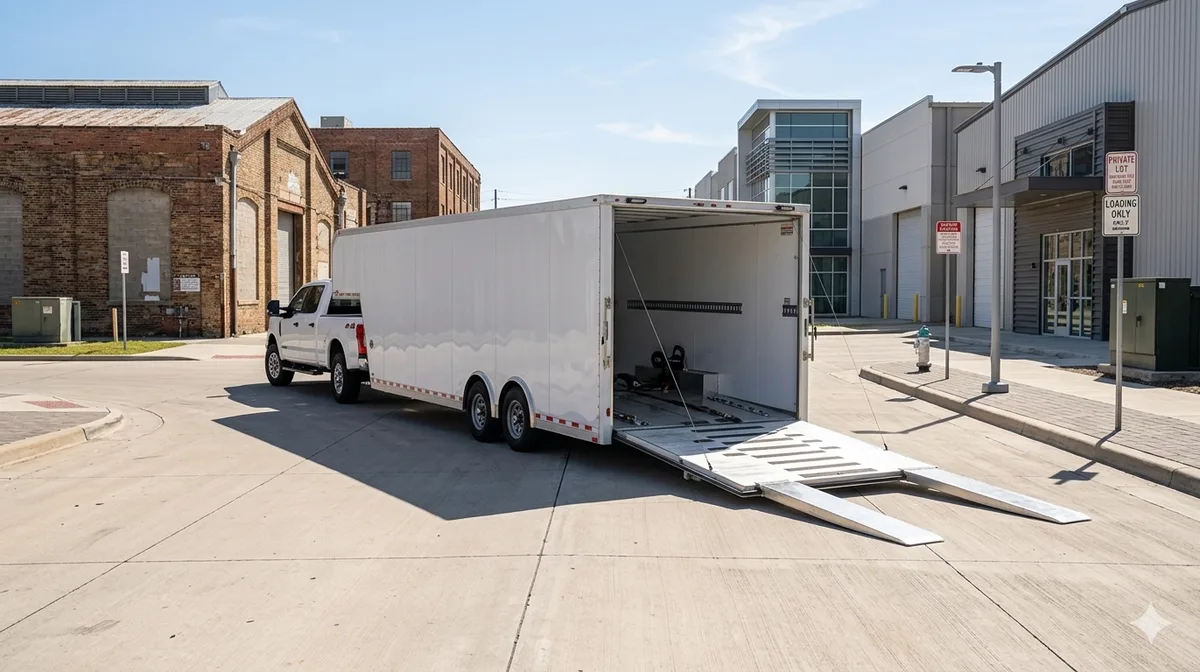
Equipment Required: Enclosed transporters feature hard-sided aluminium or soft-sided curtain trailers, hydraulic tail lifts capable of handling vehicles up to 3 tonnes, low-angle race ramps for ground-hugging supercars, wheel nets and axle straps, GPS tracking systems, and climate-controlled options for ultra-premium transport. Many operators carry specialised dollies for loading non-runners or vehicles with compromised drivetrains.
Pricing Comparison: Enclosed car transport typically costs 30-50% more than standard open transport due to the specialised equipment and single or dual-car capacity limitations. While open transport averages £1.00-£2.00 per mile, enclosed services range from £1.50-£2.50 per mile for standard distances. A 200-mile enclosed transport might cost £400-£600 compared to £200-£350 for open transport. However, for high-value vehicles, this premium represents excellent value when considering potential damage costs.
Key Advantages: Complete weather protection from rain, snow, and sun damage; elimination of road debris and stone chip risks; enhanced security and confidentiality; specialist loading for low vehicles; higher insurance coverage typically included; white-glove handling standards; ideal for non-runner recovery of valuable vehicles.
See how professional enclosed transport operators carefully load and protect high-value vehicles.
On the scheduled day, the carrier arrives with a fully enclosed trailer, usually a soft-sided or hard-sided trailer with lift-gate or ramp access. The driver performs a Bill of Lading inspection, documenting the car's condition with photos and notes. You'll sign this document to acknowledge the pre-shipment condition.
Give your vehicle a good wash before transport. A clean surface makes it easier to spot and document any existing scratches or dents during the inspection process. Plus, it keeps your car looking great upon delivery.
A flat or leaking tire can complicate loading and unloading. Make sure all tires are properly inflated and leak-free before the carrier arrives. This simple step avoids delays and helps the driver handle your vehicle safely.
Oil leaks can cause problems during loading or damage other vehicles on the carrier. If you suspect your car has any, let the driver know before transport. This helps them position the car properly and prevents safety or cleanliness issues.
If your vehicle has custom parts, spoilers, lift kits, or low ground clearance, inform your carrier in advance. Most modern high end cars have ride height increasing features, if available, ensure this is set to its highest. Some modifications can make loading and unloading difficult or even risky. Adjust or temporarily remove them to ensure a smooth process and protect your investment.
Your vehicle should be able to start and roll on its own. A dead or weak battery could require a winch for loading, which can slow down the process or add extra fees.
Before pickup, remove all personal belongings from inside the vehicle. Car transport carriers are not licensed to move household goods, and personal items are not covered by carrier insurance. Before handing over your car, take clear photos from all angles, including close-ups of any existing damage. This provides valuable proof of your car's pre-transport condition in case you need to file a claim.
When transporting your vehicle, make sure the fuel tank is no more than one-quarter full. Less fuel means less weight, which makes transport safer and reduces the risk of leaks or spills.
Ensure the pickup area is open and accessible for the carrier truck. Move other vehicles, clear debris, and make space for loading. This helps avoid delays and ensures safe maneuvering. Remove your registration documents before transport to prevent loss or theft. Keep them with you for safekeeping. If any issues arise during movement, having your documents handy helps verify ownership quickly.
Before handing off your car, turn off or disable the alarm system. Alarms that go off during transport can interrupt the trip and cause unnecessary delays.
Upon arrival, the carrier contacts you to schedule delivery. At drop-off, the driver performs a post-shipment inspection using the Bill of Lading. You'll compare the vehicle's condition to ensure there's no damage. If everything checks out, you'll sign the final paperwork.
Get competitive quotes from verified enclosed transport providers across the UK. Compare prices, read reviews, and book with confidence.
Enclosed car transport uses fully covered trailers to protect your vehicle from weather, road debris, and prying eyes during transit. It's the premium option for high-value, classic, and luxury vehicles requiring maximum protection.
Enclosed transport typically costs 30-50% more than open transport due to specialised equipment. Expect £1.50-£2.50 per mile, so a 200-mile journey might cost £400-£600 compared to £200-£350 for open transport.
Choose enclosed transport for vehicles worth over £50,000, concours-condition classics, supercars with low ground clearance, show cars, or any vehicle where cosmetic protection is paramount.
Yes, professional enclosed transporters use hydraulic tail lifts or extra-long low-angle ramps specifically designed for vehicles with low ground clearance, protecting front splitters and undertrays during loading.
Reputable enclosed transport providers carry comprehensive goods-in-transit insurance, often with higher coverage limits than standard transport. Always verify coverage details and policy limits before booking.