
“Absolute doddle to use. Saved a fortune compared to the single-company quotes I was getting elsewhere. Car arrived safe and sound.”
David
21 Feb, 2026The complete guide to vehicle transport
Important guidelines to ensure a safe and secure transport experience for your vehicle
Transport providers are licensed and insured only for vehicles up to a specific weight. If a vehicle exceeds this limit:
Remember: Accurate information protects both you and the transporter. It ensures your vehicle is transported legally, safely, and with proper insurance coverage at all times.
Before handing over your vehicle, take these 5 essential photos to document its condition. Each corner shot should capture the bumper, door, and alloy wheel together.
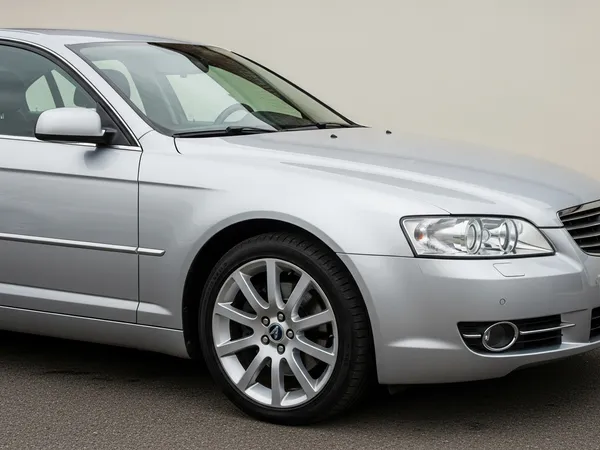
Capture the front bumper, front door, and front alloy wheel
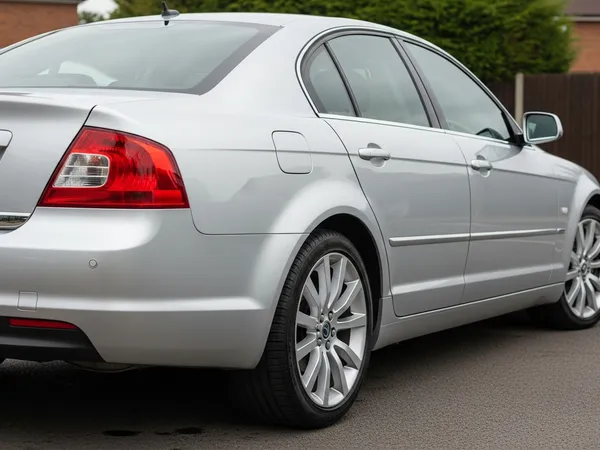
Capture the rear bumper, rear door, and rear alloy wheel
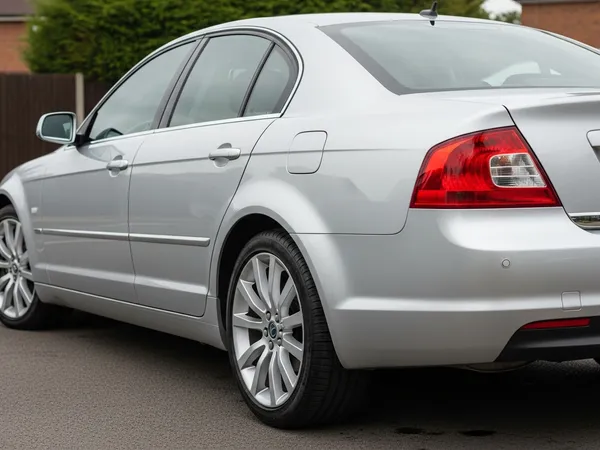
Capture the rear bumper, rear door, and rear alloy wheel
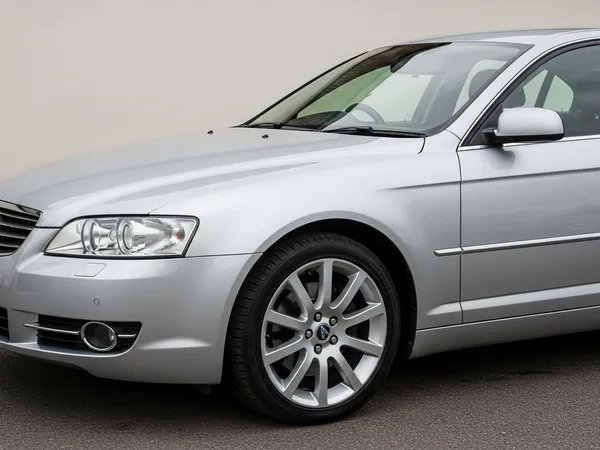
Capture the front bumper, front door, and front alloy wheel
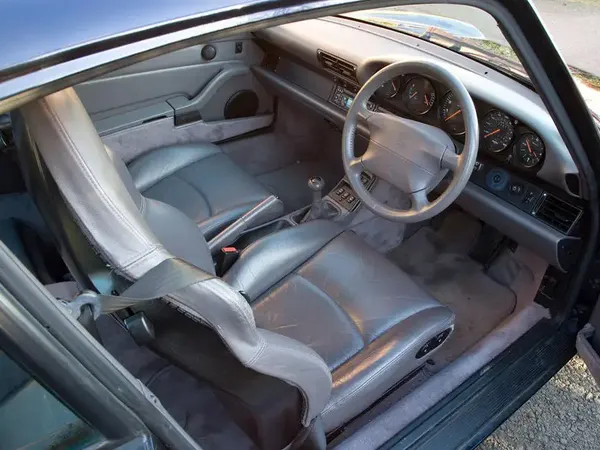
Stand outside the open driver's door and photograph across the interior showing dashboard and controls
Pro tip: Take these photos with timestamps enabled on your camera or note the date and time. This provides clear evidence of your vehicle's condition before transport.
Exactly what happens when the driver arrives to collect your vehicle
Driver calls 1 hour before arrival.
Get the vehicle out and ready for easy access for the transporter.
You and the driver inspect the car for existing scratches/damage. (Use our available inspection sheet if needed)
Take your 5 Golden Photos & Driver takes time-stamped photos.
Be present during loading to ensure everything runs smoothly.
You sign the Proof of Collection.
Live in a tight street, cul-de-sac, or have limited parking access? Large multi-car transporters often can't navigate narrow residential roads, low bridges, or weight-restricted streets. Here's what you need to know:
Arrange to meet the driver at the nearest main road or accessible location. The driver loads your vehicle there, avoiding the need to navigate tight streets. This is often the most practical and cost-effective solution.
Request a smaller single-car transporter that can manoeuvre through narrow streets for true door-to-door service. This typically costs slightly more but offers maximum convenience for difficult access locations.
Important: Always mention any access restrictions when creating your listing. Include details about narrow roads, low bridges, height restrictions, or parking limitations. This helps providers quote accurately and plan the best approach for your location.
For sports car and supercar owners, the biggest concern isn't just "enclosed vs. open" transport—it's the angle of the loading ramp. Standard car transporters can have steep approach angles that risk scraping front splitters, side skirts, and low bumpers on high-value vehicles.
Porsche GT cars, Ferrari, Lamborghini, McLaren, and similar exotics with factory ground clearance under 120mm require careful loading.
Carbon fibre front splitters, diffusers, and side skirts are especially vulnerable. Even small contact can cause expensive damage.
Coilovers, lowering springs, or air suspension in "slammed" mode significantly reduce ground clearance. Note your ride height when lowered.
Extended wheel arches and wide body modifications may affect loading clearances on multi-car transporters.
Pro tip: If your car has adjustable suspension (air ride or adjustable coilovers), raise it to the maximum height before the driver arrives. This gives the maximum clearance for loading and avoids any last-minute surprises. Mention in your listing that the car can be raised for loading.
Most transport providers don't mind if you leave personal items in the vehicle, however some advise against leaving items in the vehicle during transport. Here's what you need to know:
Our recommendation: Whenever possible, remove all personal belongings before transport. This simplifies the process, avoids disputes, and ensures your vehicle can be transported without complications.
Don't rely on the driver's memory. Download our free inspection sheet to mark down every scratch before your car leaves.
MotorMoves are dedicated to ensuring you get the best possible vehicle transport service and the best possible rates.