

“Great platform, easy and efficient to use and got a good rate to move our car. Would definitely use again.”
Gerry
8 Mar, 2026
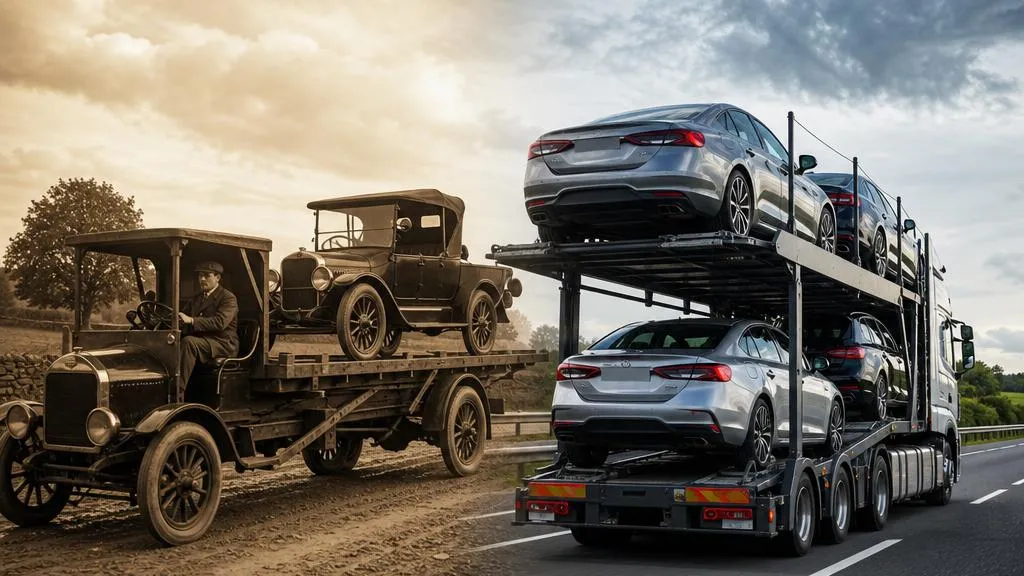
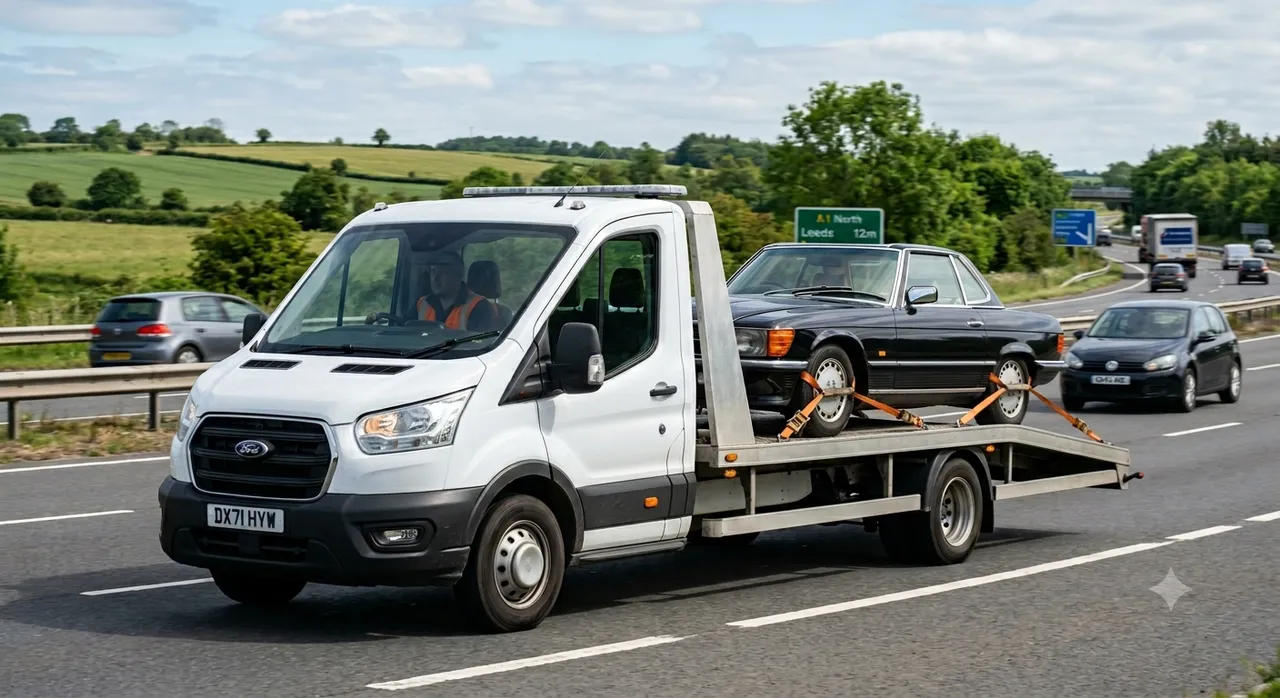
When you need to move a car from Manchester to Southampton, what's the greener choice: driving it yourself or having it transported? Counterintuitively, professional transport often produces a smaller carbon footprint than the seemingly simpler option of driving.
This reality stems from the efficiency of consolidation. A single car transporter carrying eight vehicles uses significantly less fuel per vehicle than eight individual cars making the same journey. Understanding this efficiency helps environmentally conscious vehicle owners appreciate that choosing professional transport isn't just convenient—it's often the responsible environmental choice.
Let's examine the numbers for a 300-mile journey:
Individual Driving Scenario (8 cars travelling the same route):
Multi-Car Transport Scenario (8-car transporter):
At first glance, the numbers look similar—but consider what else happens:
The transporter makes a return journey regardless, often picking up other vehicles. The eight individual drivers need to return home somehow—by train, bus, or being collected. When factoring return journeys and logistics, transport typically reduces total emissions by 40-60% compared to driving plus return logistics.
The Efficiency Multiplier:
Professional transporters optimise their operations continuously. They:
These efficiencies compound. A well-run transport operation moves vehicles using far less fuel per vehicle-mile than individual drivers could achieve.
Carbon emissions tell only part of the story. Other environmental impacts favour consolidated transport:
Road Wear and Infrastructure:
Every vehicle on the road contributes to surface wear, requiring energy-intensive road repairs. Eight cars cause more total wear than one transporter carrying them—even accounting for the transporter's greater weight.
Congestion Reduction:
Fewer vehicles on roads means less congestion-related emissions from other drivers stuck in traffic. During peak times, removing seven cars from congested routes benefits everyone.
Accident Reduction:
Statistically, professional drivers have lower accident rates than private motorists. Fewer accidents means less environmental impact from emergency services, clean-up operations, and vehicle repairs or replacements.
For maximum environmental benefit, rail transport of vehicles offers the lowest carbon option currently available at scale.
Why Rail Is Greener:
Rail is significantly more fuel-efficient than road transport per tonne-mile. Approximately 38% of UK rail network is electrified, meaning trains on these routes produce zero direct emissions. Even diesel rail transport is substantially more efficient than road alternatives.
Vehicle transport by rail typically works for high-volume movements—new car distribution from ports, manufacturer movements between facilities, and specialist rail-served locations. For individual owners, rail isn't usually directly accessible, but understanding the hierarchy of transport efficiency is valuable.
The Hierarchy of Green Transport:
From most to least environmentally friendly:
For most private vehicle movements, multi-car road transport represents the practical green choice—significantly better than driving, widely available, and cost-effective.
The transport industry is gradually embracing cleaner technologies, though adoption in heavy vehicles lags behind passenger cars.
Electric HGVs:
Companies like Tevva are developing electric and extended-range electric heavy goods vehicles suitable for vehicle transport operations. Current limitations include:
Despite limitations, electric HGVs work well for shorter-distance urban and regional transport. As technology improves and charging networks expand, their viability for longer routes will increase.
Hydrogen Fuel Cell Vehicles:
Hydrogen-powered heavy vehicles offer longer range than battery electric, with refuelling times similar to diesel. UK companies like HVS are developing hydrogen vehicle systems for freight applications.
Hydrogen production must be green (using renewable electricity) rather than grey (using natural gas) to deliver environmental benefits. As green hydrogen production scales, this technology may become mainstream for heavy transport.
Biofuels and Synthetic Fuels:
Some transport operators already use biodiesel blends or sustainable biofuels. These can reduce lifecycle carbon emissions by up to 85% compared to fossil diesel, using existing vehicle technology.
Synthetic fuels (eFuels) produced using renewable electricity offer another pathway. While currently expensive, they could provide carbon-neutral fuel for existing diesel vehicles.
As a vehicle owner needing transport services, you can make choices that favour environmental outcomes:
Choose Multi-Car Loads:
When timing is flexible, opt for shared transport that consolidates your vehicle with others. This maximises efficiency per vehicle. Express single-car services, while convenient, don't offer the same environmental benefits.
Consider Timing:
If providers are waiting to fill a load on your route, joining that load is more efficient than requesting immediate solo transport. Asking about consolidation opportunities helps.
Ask About Fleet Standards:
Modern Euro 6 vehicles are significantly cleaner than older trucks. Providers investing in recent fleet additions deliver environmental benefits alongside service quality.
Avoid Unnecessary Journeys:
If you can collect a vehicle yourself while already travelling, that may beat arranging transport. But if transport means avoiding a specific journey you'd otherwise make, the environmental case for transport strengthens.
Some transport providers now offer carbon offset options or include offsetting in their pricing. These programs fund projects that remove or prevent carbon emissions—tree planting, renewable energy projects, or methane capture.
While offsetting shouldn't substitute for efficiency improvements, it provides a mechanism for neutralising unavoidable emissions. Providers investing their own profits in offsetting demonstrate environmental commitment.
Look for:
The UK government has committed to decarbonising transport by 2050, with intermediate targets driving industry change. Vehicle transport will transition alongside the broader freight sector toward cleaner operations.
Current multi-car transport already represents significantly better environmental outcomes than individual vehicle movements. As the industry adopts cleaner technologies, these benefits will compound.
For environmentally conscious vehicle owners, professional transport isn't an environmental compromise—it's often the responsible choice. By consolidating movements, optimising routes, and investing in efficiency, the transport industry delivers environmental benefits alongside the convenience of professional vehicle handling.
We use cookies and similar technologies to provide essential website functionality, analyse site usage, and deliver personalised content. You can choose to accept all cookies, reject non-essential cookies, or customise your preferences.
For more information, please read our Cookie Policy and Privacy Policy.